Optimal Timing for Concrete Striping
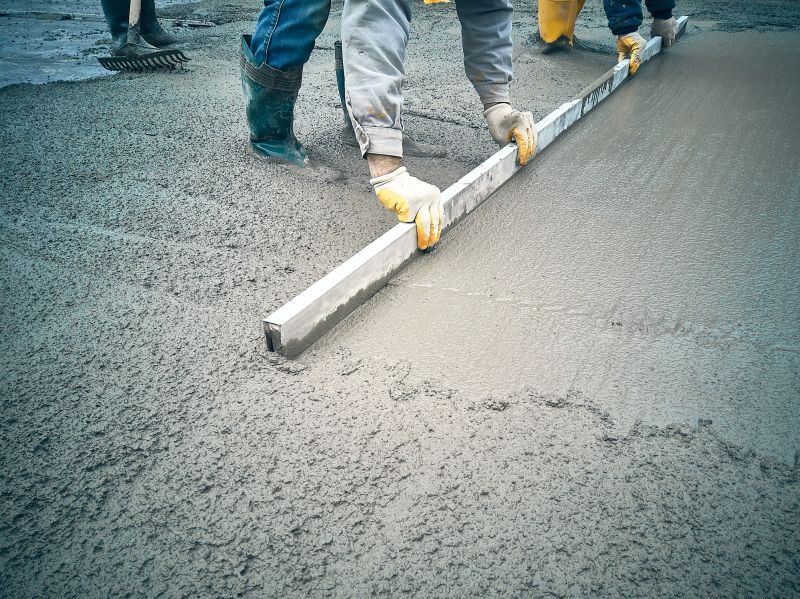
Spring offers optimal conditions with moderate temperatures and low humidity, ideal for concrete striping projects.
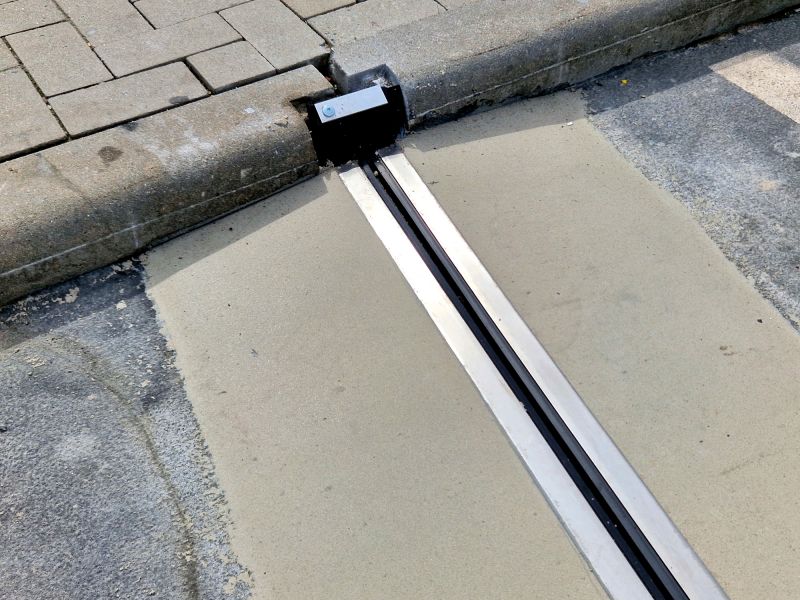
Late summer provides warm weather with less rain, promoting proper curing and adhesion of striping materials.
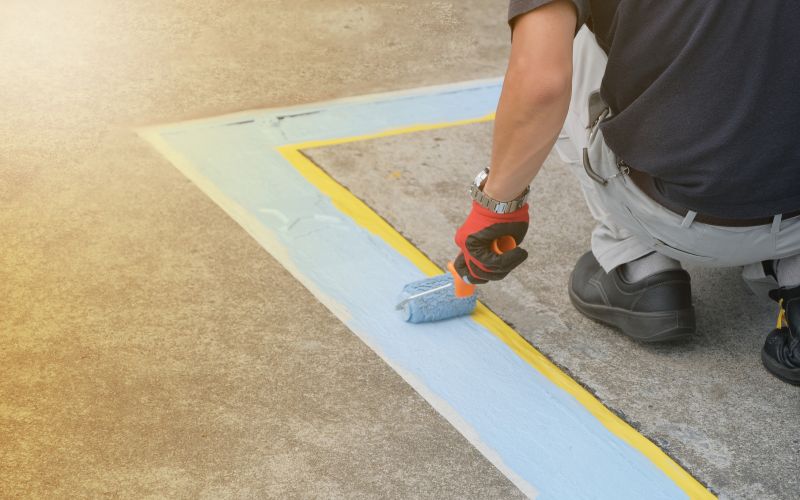
Early fall allows for cooler temperatures and stable weather, reducing the risk of paint failure or delays.
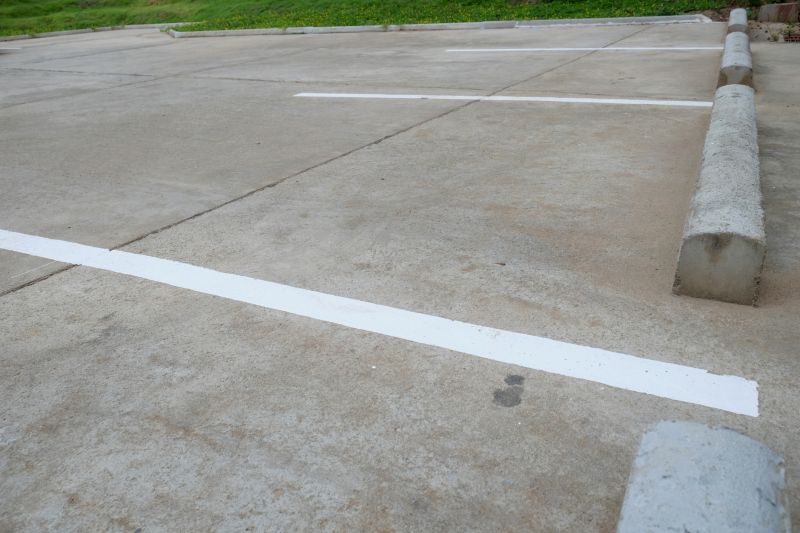
Ways to make Concrete Stripings work in tight or awkward layouts.
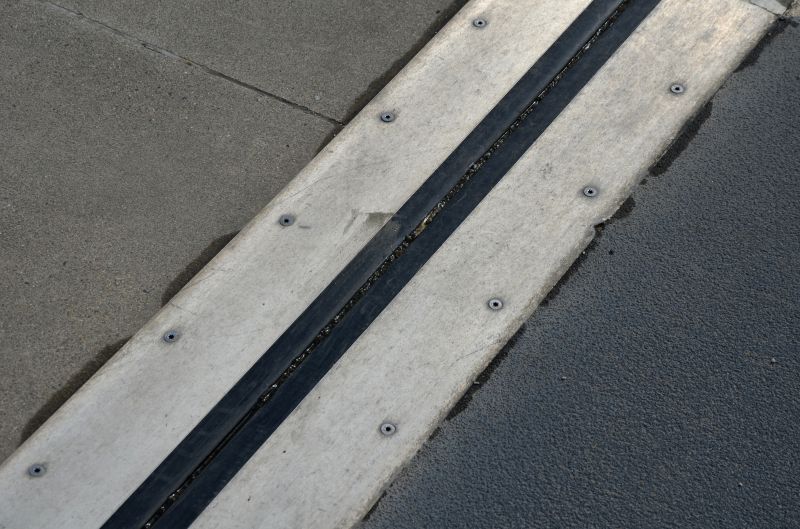
Popular materials for Concrete Stripings and why they hold up over time.

Simple add-ons that improve Concrete Stripings without blowing the budget.
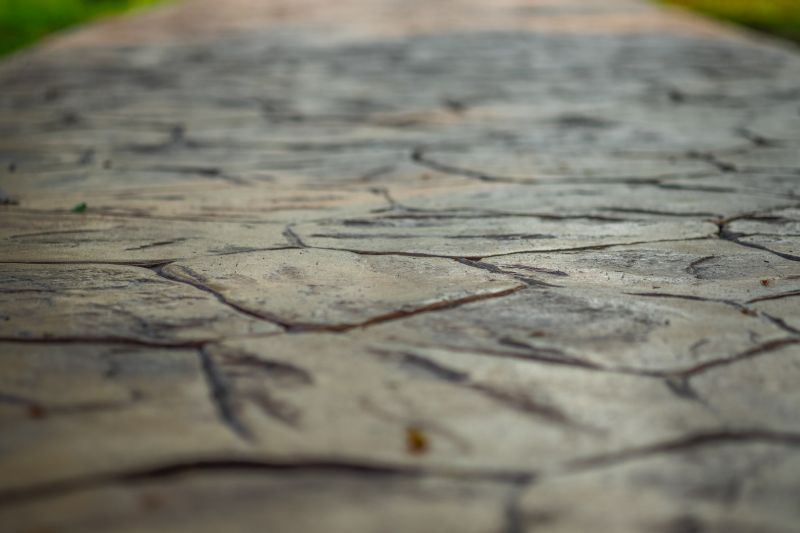
High-end options that actually feel worth it for Concrete Stripings.
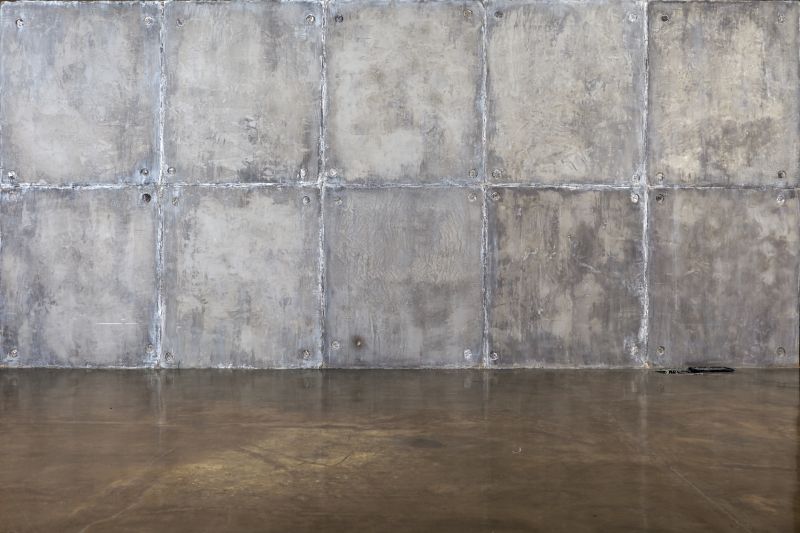
Finishes and colors that play nicely with Concrete Stripings.
Concrete striping involves applying durable paint or thermoplastic markings to designate parking spaces, traffic flow, and safety zones. Proper timing ensures longevity and visibility of the markings. Weather conditions significantly impact the adhesion and curing process, making the right season crucial for optimal results.
Statistics indicate that striping performed during moderate temperatures and low humidity has a longer lifespan, reducing the need for frequent reapplications. Typically, the best conditions are temperatures between 50°F and 85°F with minimal precipitation, ensuring the striping material adheres properly and cures evenly.
Ideal temperatures help paint cure properly, preventing peeling or fading over time.
High humidity can delay drying times and cause smudging or poor adhesion.
Rain or extreme cold can postpone striping projects to ensure quality results.
Scheduling during optimal weather reduces the risk of rework and extends the lifespan of markings.
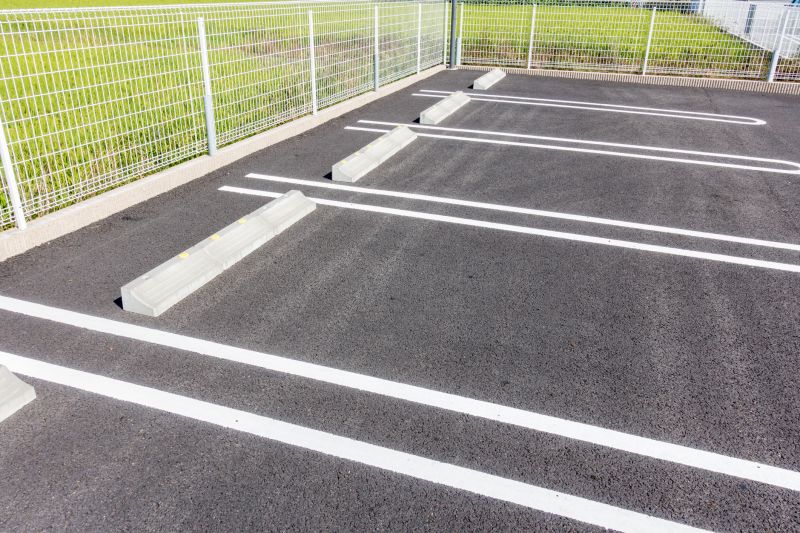
A freshly painted parking lot with clear, durable markings.
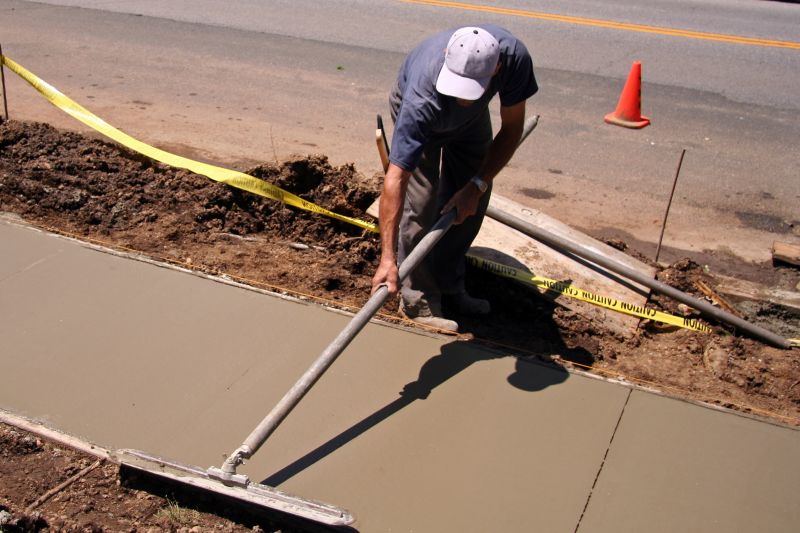
Weather conditions suitable for striping work, with moderate temperature and dry weather.
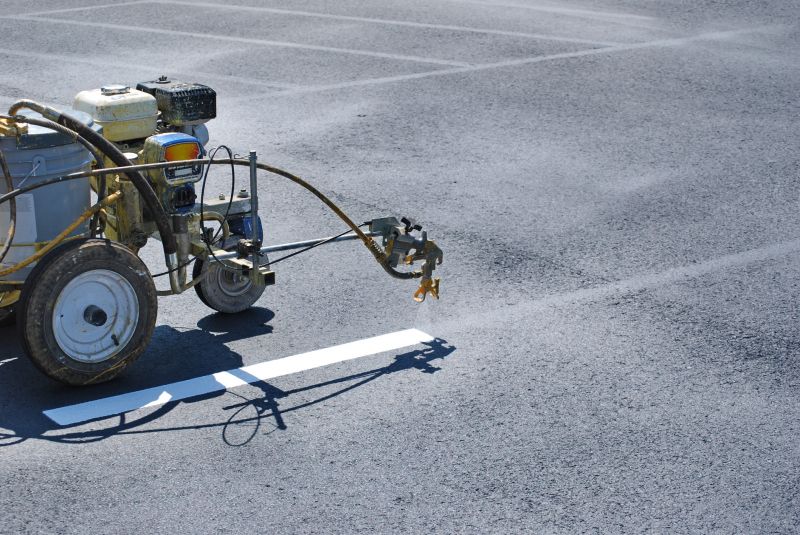
Specialized tools used for precise application of paint or thermoplastic.
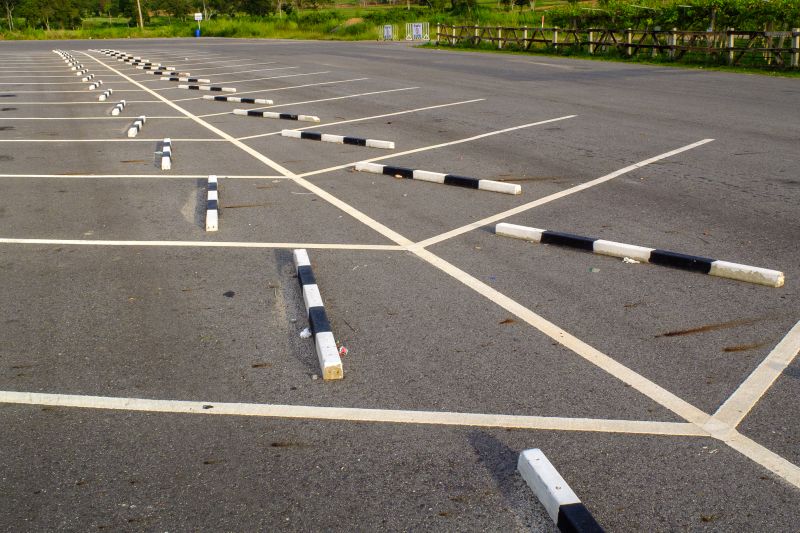
Completed striping with high visibility and clean lines.
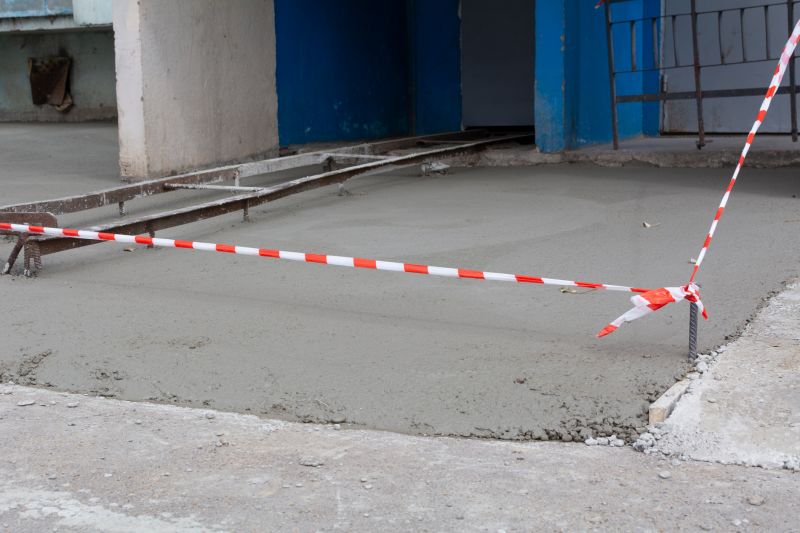
Little measurements that prevent headaches on Concrete Stripings day.
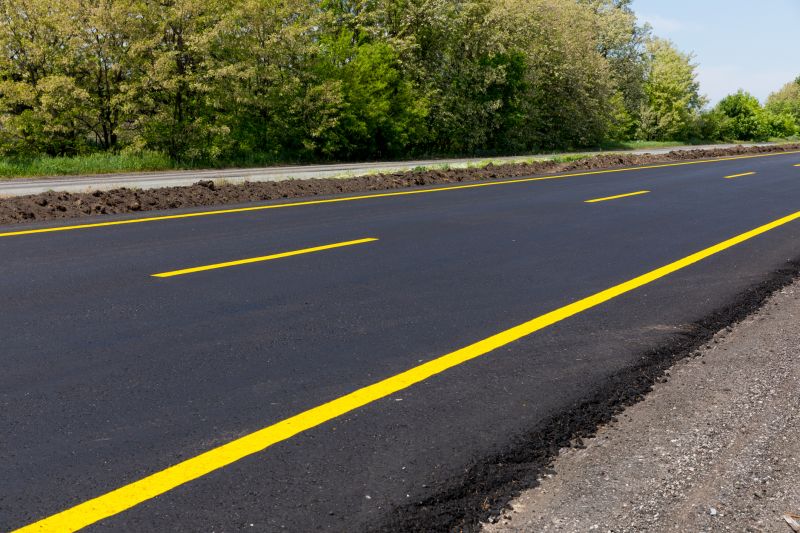
A 60-second routine that keeps Concrete Stripings looking new.
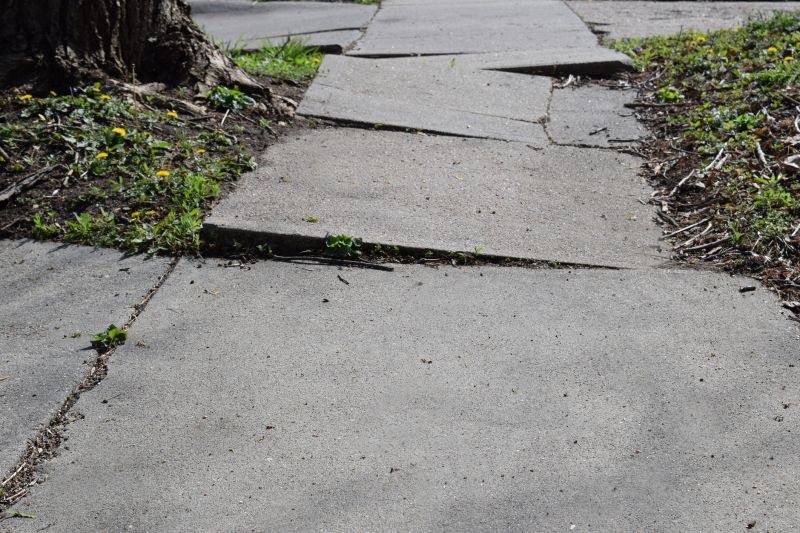
A frequent mistake in Concrete Stripings and how to dodge it.
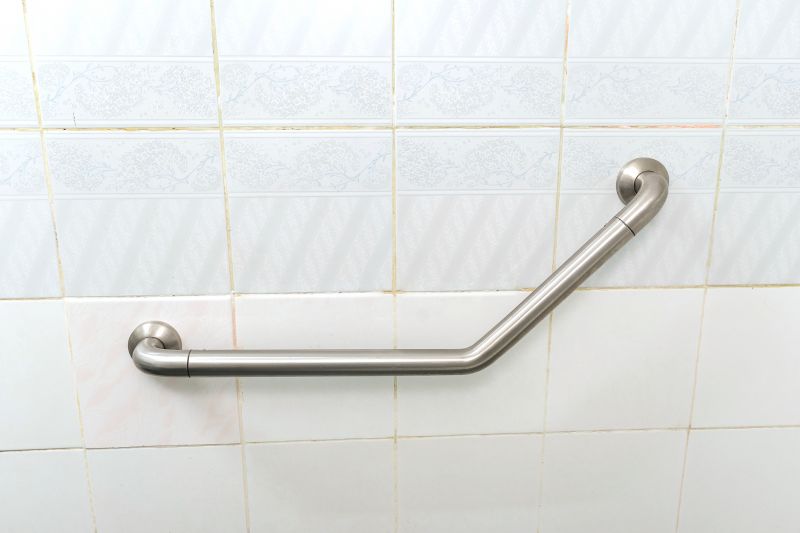
Small tweaks to make Concrete Stripings safer and easier to use.
| Factor | Optimal Conditions |
|---|---|
| Temperature | 50°F to 85°F |
| Humidity | Below 70% |
| Precipitation | No rain or snow |
| Wind | Minimal wind to prevent paint drift |
| Time of Day | Mid-morning to early afternoon |
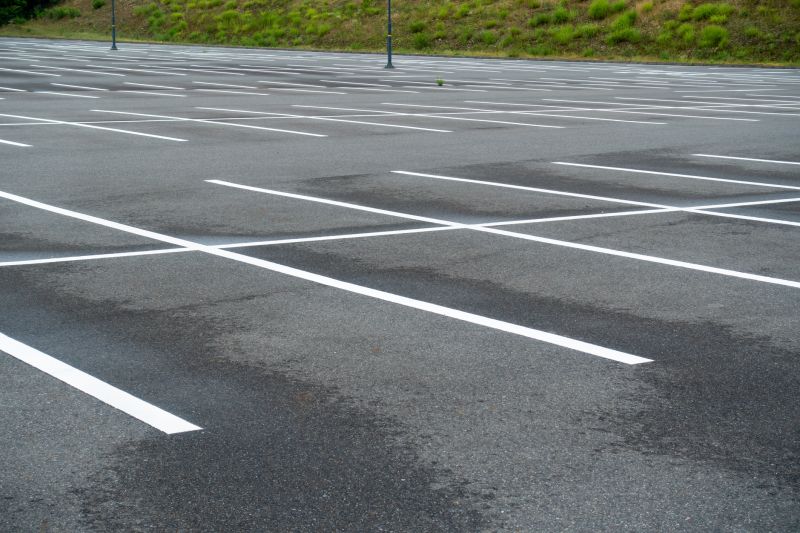
A well-marked parking area with fresh lines.
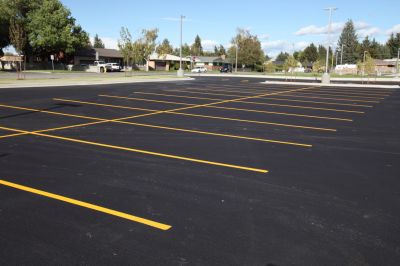
Clear skies and moderate temperatures for optimal striping.
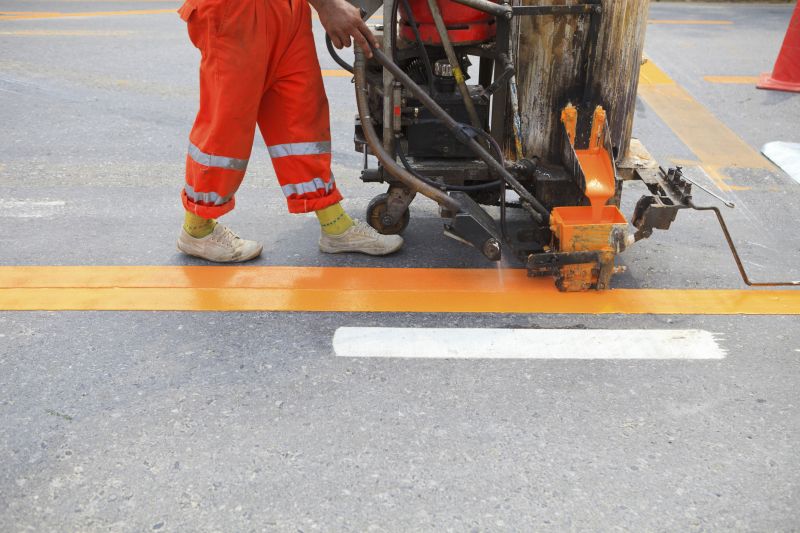
Application tools applying paint precisely.
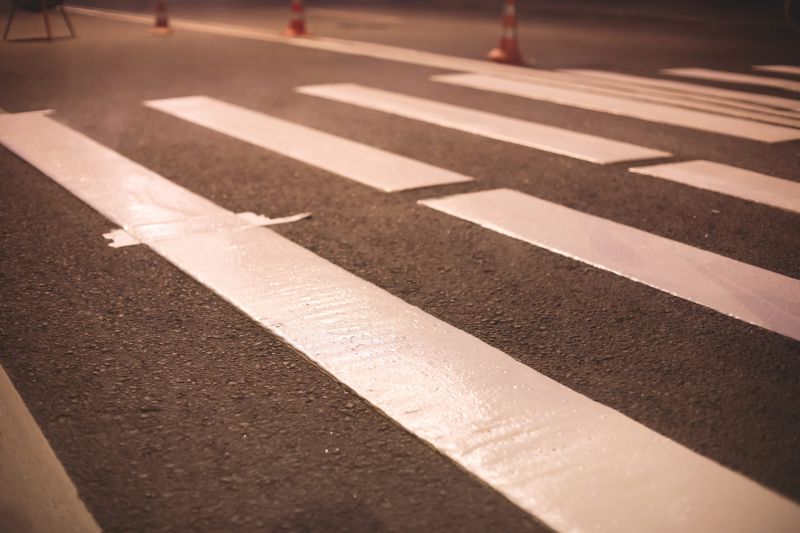
High-visibility parking lot markings after curing.
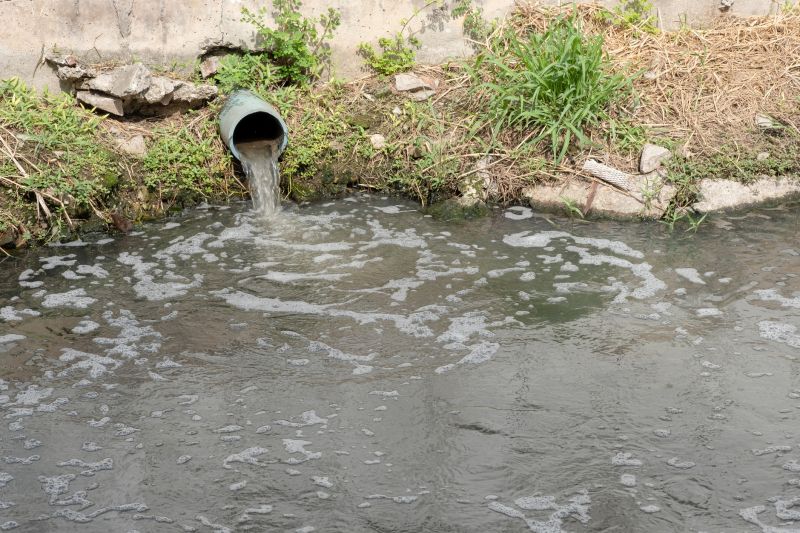
Lower-waste or water-saving choices for Concrete Stripings.
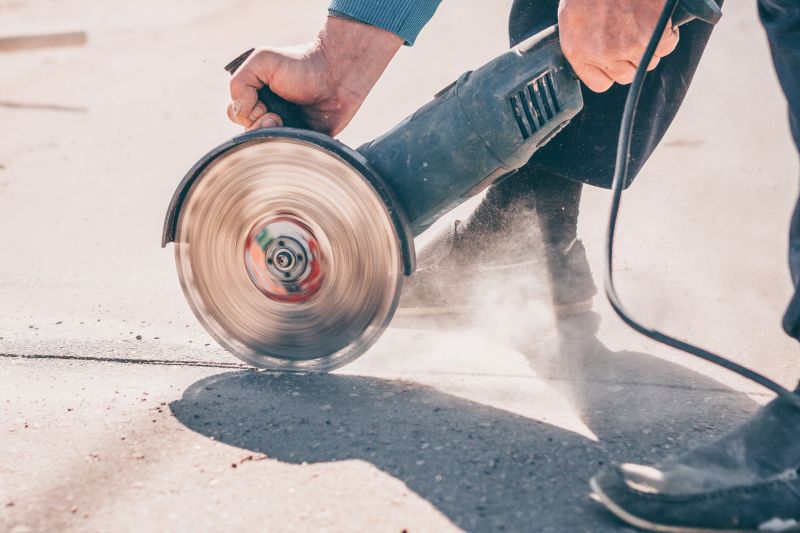
The short, realistic tool list for quality Concrete Stripings.
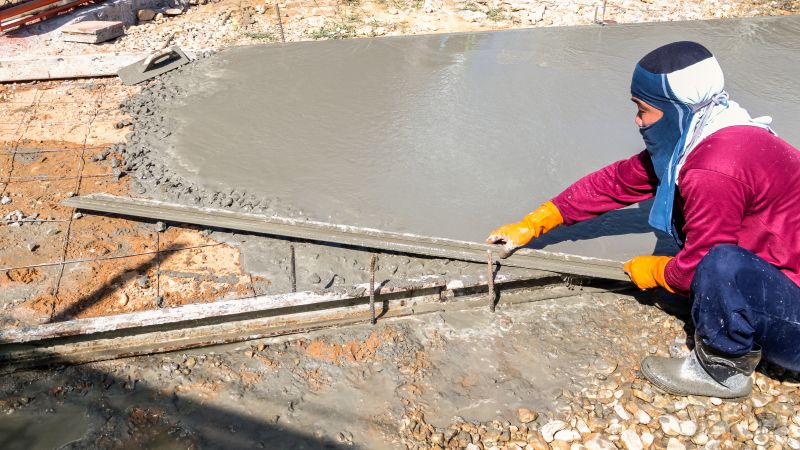
Rough timing from prep to clean-up for Concrete Stripings.
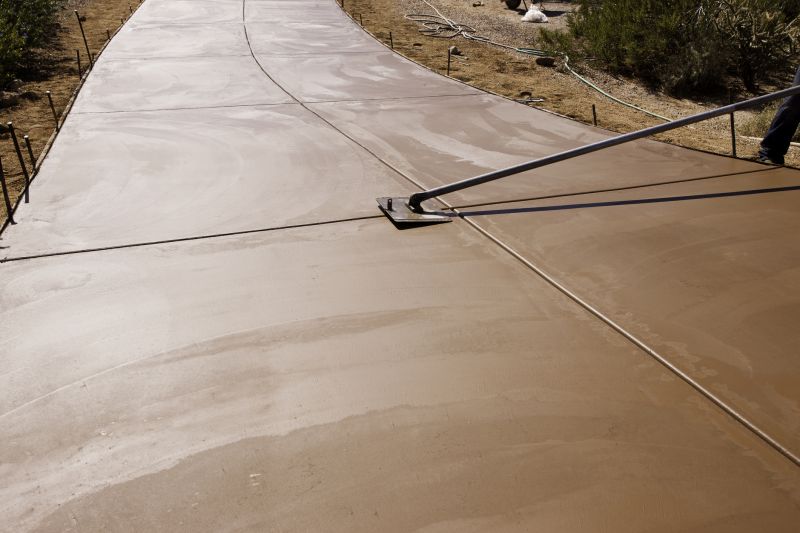
Quick checks and paperwork to keep after Concrete Stripings.
Choosing the right time for concrete striping ensures durability, safety, and compliance with parking regulations. Proper scheduling minimizes delays and reduces the need for reapplication, saving costs and maintaining a professional appearance.
Interested parties are encouraged to contact for more information or to schedule striping services at the most suitable time for their project requirements.